Story
11 September 2026
A New Generation of Youth Voices Joins the UN in Kazakhstan
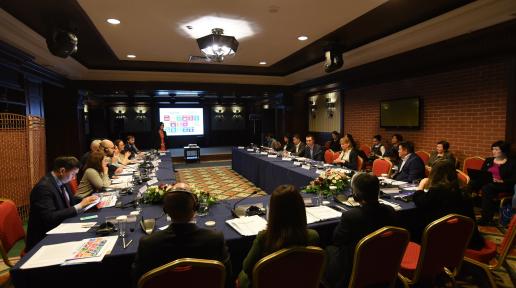
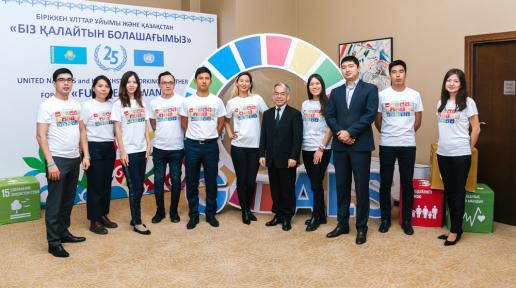
The United Nations Country Team in Kazakhstan welcomed the new 2026–2028 cohort of its Youth Advisory Board (YAB) at an induction meeting in Astana, marking the start of a two-year partnership aimed at strengthening meaningful youth participation in the work of the UN in Kazakhstan.The Youth Advisory Board brings together young people with diverse professional backgrounds, expertise and experiences from across Kazakhstan. It provides a platform for young people to contribute their perspectives to UN programmes, initiatives and decision-making processes and to help connect the UN with a wider range of youth voices, including those that may not always be represented in national-level discussions. “The purpose of this Board is straightforward: to help us see what we may be missing, question our assumptions and improve the decisions we make. Young people are partners in development today, with knowledge and experience that belong in the room when policies and programmes are being shaped,” noted the UN resident Coordinator in Kazakhstan Sarangoo Radnaaragchaa.During the induction, YAB members learned more about the mandates and work of UN agencies in Kazakhstan and explored opportunities to engage with the UN system over the next two years. Discussions also highlighted the role that young people can play across the four pillars of the Cooperation Framework 2026–2030: Empowered People and Strong Institutions; Resilient and Inclusive Economy; Sustainable Environment; and Strengthened Social Cohesion. A Horizon Scanning foresight session invited participants to look ahead and identify emerging trends, risks and opportunities that could shape the lives of young people in Kazakhstan and future generations. The exercise explored how youth perspectives can help the UN better understand emerging challenges and ask more relevant questions about the country’s development trajectory.For the new YAB members, the induction also provided an opportunity to better understand how their participation can translate into practical engagement with the UN. “For me, YAB is about not simply participating in youth initiatives, but being part of a platform where young people’s perspectives can genuinely reach the UN system,” one YAB member said.Another member highlighted the importance of broadening participation beyond those already represented in established platforms:“Young people across Kazakhstan have different realities and opportunities. I hope YAB can help bring more voices from the regions and from young people who are not always represented in national discussions.” The 2026–2028 cohort will build on the work of the first Youth Advisory Board, which contributed to UN consultations and helped establish more structured engagement between young people and the UN Country Team. Over the next two years, the new members will work with UN agencies to bring diverse youth perspectives into consultations, programmes and discussions on issues ranging from education, health and decent work to climate resilience, digital transformation, artificial intelligence and equal access to opportunities.The induction concluded with a shared commitment to an open and constructive partnership in which young people are not only invited to contribute, but are given opportunities to help shape the UN’s work in Kazakhstan.